Lebanon’s 2026 budget: A state between social anger, political confusion, and regional fire
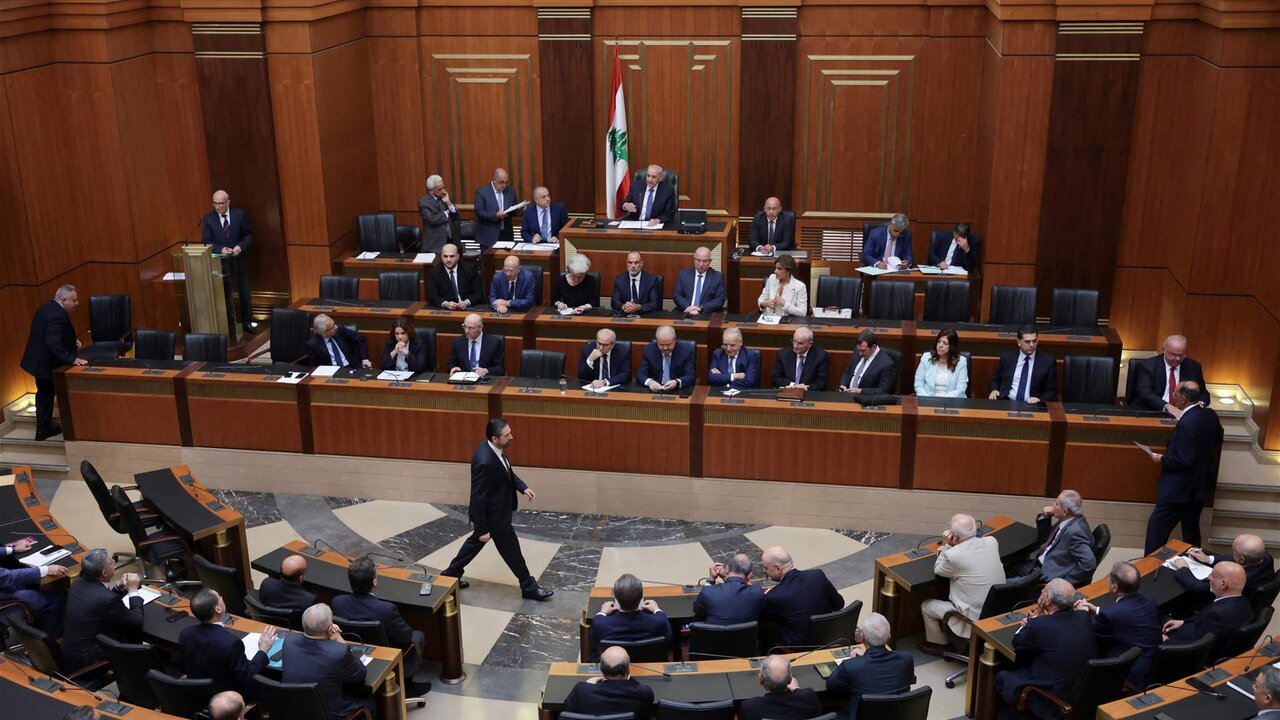
BEIRUT — Lebanon’s Parliament has approved the 2026 state budget by 59 votes in favor, 34 against, and 11 abstentions, closing three turbulent days of debate that exposed far more than fiscal disagreements.
The final session was marked by sharp confrontations over public-sector and military pensions, while protests outside escalated dramatically, with demonstrators breaching the gates of Parliament.
The vote may have passed procedurally, but politically and socially, the budget remains deeply contested; between government promises and the reality of the numbers, confusion prevailed.
Public-sector employees and retired soldiers were left uncertain as to whether their long-promised rights would materialize or whether they had once again fallen victim to political maneuvering during negotiations.
What Lebanese citizens witnessed live on their screens—verbal clashes, populist bidding, and deliberate diversion of attention—reflected a broader dysfunction in governance.
Many fear this chaotic performance mirrors how the state handles far more existential issues, from Israel’s daily aggression to improvised political stances that inflame tensions rather than calm the streets.
MP Halima Kaakour openly challenged the government’s approach, stressing that funds allocated for reconstruction are insufficient and reminding Parliament that, under international law, responsibility for compensation lies with the party that caused the destruction—namely, Israel.
In the same context, several MPs described Foreign Minister Youssef Raggi’s recent statements as politically dangerous, insisting the government must correct them and assert, as a sovereign state, Lebanon’s right to demand reparations from the aggressor.
The parliamentary session ended on a grim note. Before the vote, retired soldiers organized themselves and marched to Parliament’s gates, protesting the government’s failure to honor its commitments.
Meanwhile, ministers whose positions were perceived as hostile to their own people—whether in foreign policy, judicial decisions, or central bank circulars—came under intense scrutiny of Hezbollah’s MPs who warned that continued provocation, especially amid daily Israeli attacks and suffocating economic decisions aligned with U.S. preferences, risks pushing the country toward internal strife.
In parallel, families of detainees in Israeli prisons, gathered at the Grand Serail, heard the same familiar promises repeated—echoing the hollow assurances given to retired military personnel.
Beyond domestic turmoil, Lebanon stands at a perilous regional crossroads; as U.S. threats against Iran intensify, Lebanese policymakers must confront a crucial strategic question: what would happen to Lebanon if one of the main pillars of regional deterrence were to collapse?
The fall of Iran would constitute a strategic earthquake, dismantling what remains of the deterrence network that has restrained Israel for decades.
In such a scenario, Israel would shift from risk calculation to opportunity harvesting, with Lebanon—economically exhausted, politically divided, and diplomatically exposed—becoming an ideal arena for escalation and imposed arrangements.
This vulnerability is compounded by controversial provisions now heading to the Cabinet, particularly Clause 23 on reconstruction.
Allowing financial compensation instead of rebuilding on the same land risks emptying border villages of their inhabitants—an outcome that aligns disturbingly with Israeli objectives.
Hence, the 2026 budget entrenches social inequality. By exempting wealthy capital holders from meaningful contribution while increasing indirect taxes on consumption, the government continues a policy that burdens low- and middle-income groups without offering services, protection, or genuine reconstruction.
Far from reform, this budget deepens Lebanon’s fractures—at a moment when the country can least afford them.
Leave a Comment